A top leader of The Church of Jesus Christ of Latter-day Saints called gambling "morally wrong" Saturday, Oct. 3, singling out prediction markets and sports betting.
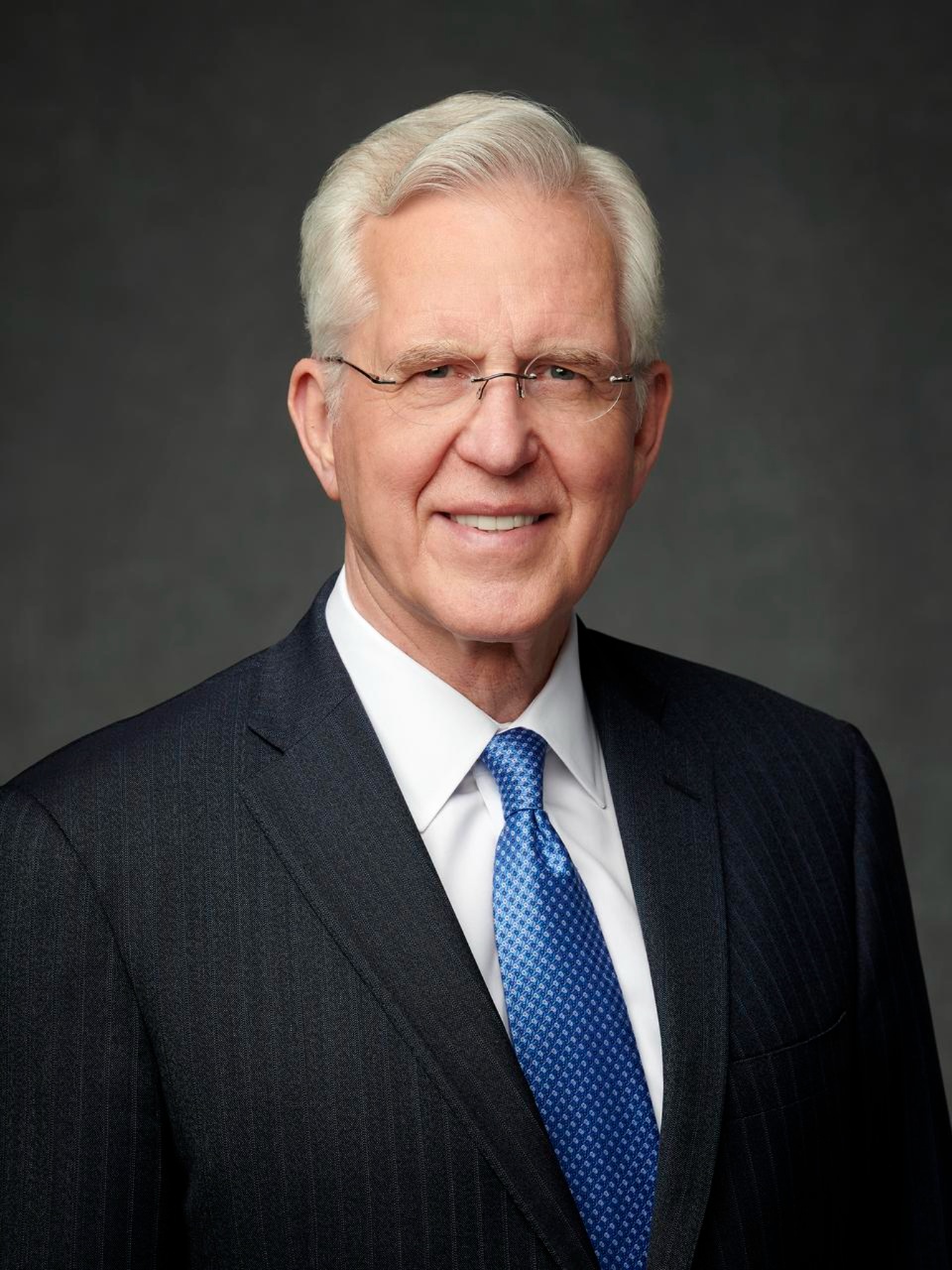
President D. Todd Christofferson, one of the church's three top leaders, delivered the address during the morning session of the 196th Semiannual General Conference in Salt Lake City. The directive resonates in Bountiful, Woods Cross and Farmington, where Latter-day Saint congregations shape daily community life, and it lands as Utah wages a federal court battle against prediction-market company Kalshi.
"For us as Latter-day Saints, overarching all other concerns is the fact that gambling is morally wrong," Christofferson said, as first reported by the Associated Press through Fox 13. "Gambling is built on the desire to obtain something for nothing."
Christofferson cited industry statistics, saying the gambling industry generated $758 billion after 45% of surveyed adults gambled in the previous year, according to ABC4. He warned that rampant betting among teenagers and young adults is robbing time from studies and relationships, with smartphones making gambling possible anywhere.
He urged members to reject gambling entirely, saying it leads "in the opposite direction" from prosperous, just and equitable societies.
Prediction markets let users wager on events ranging from weather to geopolitics. Christofferson highlighted the absurdity of some offerings, asking where someone would go to collect on a bet about the timing of the Second Coming.
Utah's legal fight
The sermon aligns with an aggressive legal push by Utah officials. In February, Kalshi sued the state to block enforcement of its gambling restrictions. U.S. District Judge Robert Shelby rejected that request in August, ruling Utah can enforce its laws on prediction-market platforms, the AP reported.
Utah Attorney General Derek Brown said after the August ruling that gambling is gambling, no matter what a company calls it. Gov. Spencer Cox said in August that prediction markets are "causing tremendous harm to countless American families."
Kalshi said it disagrees with the ruling and plans to appeal. In September, a two-judge panel of the 10th U.S. Circuit Court of Appeals denied Kalshi's request for an injunction while the appeal proceeds, according to Utah Politics News. The central question remains pending.
The church's stance puts it at odds with the Trump administration. The Commodity Futures Trading Commission (CFTC) has argued prediction markets fall under federal jurisdiction. President Donald Trump's eldest son advises both Kalshi and Polymarket, and Trump's social media platform is launching its own prediction market called Truth Predict.
A state with no casinos
Utah has had no casinos, no lotteries and no racetracks that allow bets for more than a century. That prohibition is rooted in the ideals of Latter-day Saint members who view gambling as a path to selfishness and addiction. Legislators in 2026 tightened the state's gambling laws further, amending language so the statutes would cover prediction markets.
The scale of the industry is enormous. Combined monthly global trading volume on prediction markets hit about $50.6 billion in July, dwarfing the roughly $14 billion wagered monthly at legal U.S. sportsbooks in 2025, according to a Pew Research Center analysis cited by CBS Sports.
Matthew Bowman, a professor of religion and history at Claremont Graduate University, told the AP that religious groups, states and other institutions are all wrestling with the same problem as prediction markets and legalized sports gambling take off across the country.
The 10th Circuit has not set a date for oral arguments in Kalshi's appeal. The church's next General Conference is scheduled for April 2027.