Davis County parents navigating school choice now have a new federal program on the horizon that could put scholarship money within reach.
Utah is one of 31 states that opted into President Trump's Education Freedom Tax Credit, a program that lets eligible taxpayers claim up to $1,700 annually for contributions to qualifying scholarship-granting organizations. Married couples filing jointly can claim up to $3,400. The program launches Jan. 1, 2027.
U.S. Secretary of Education Linda McMahon promoted the credit Tuesday, Oct. 20, during a visit to American Preparatory Academy in Salt Lake City, as first reported by ABC4. It was the first stop on her national speaking tour, titled "The Next 250: American Education."
The Department of Education said McMahon chose Utah partly because of the state's opt-in status and partly for its academic record and civics focus, ABC4 reported.
How the credit works
Taxpayers who donate to approved scholarship-granting organizations receive a dollar-for-dollar federal tax credit. Those organizations then distribute scholarship funds to K-12 students.
The scholarships can cover tuition at public, private or religious schools, plus fees for tutoring, technology and transportation, according to Education Week. Education Week reported that public school districts in at least 30 states could begin charging fees for expanded services students could pay for with scholarship funds.
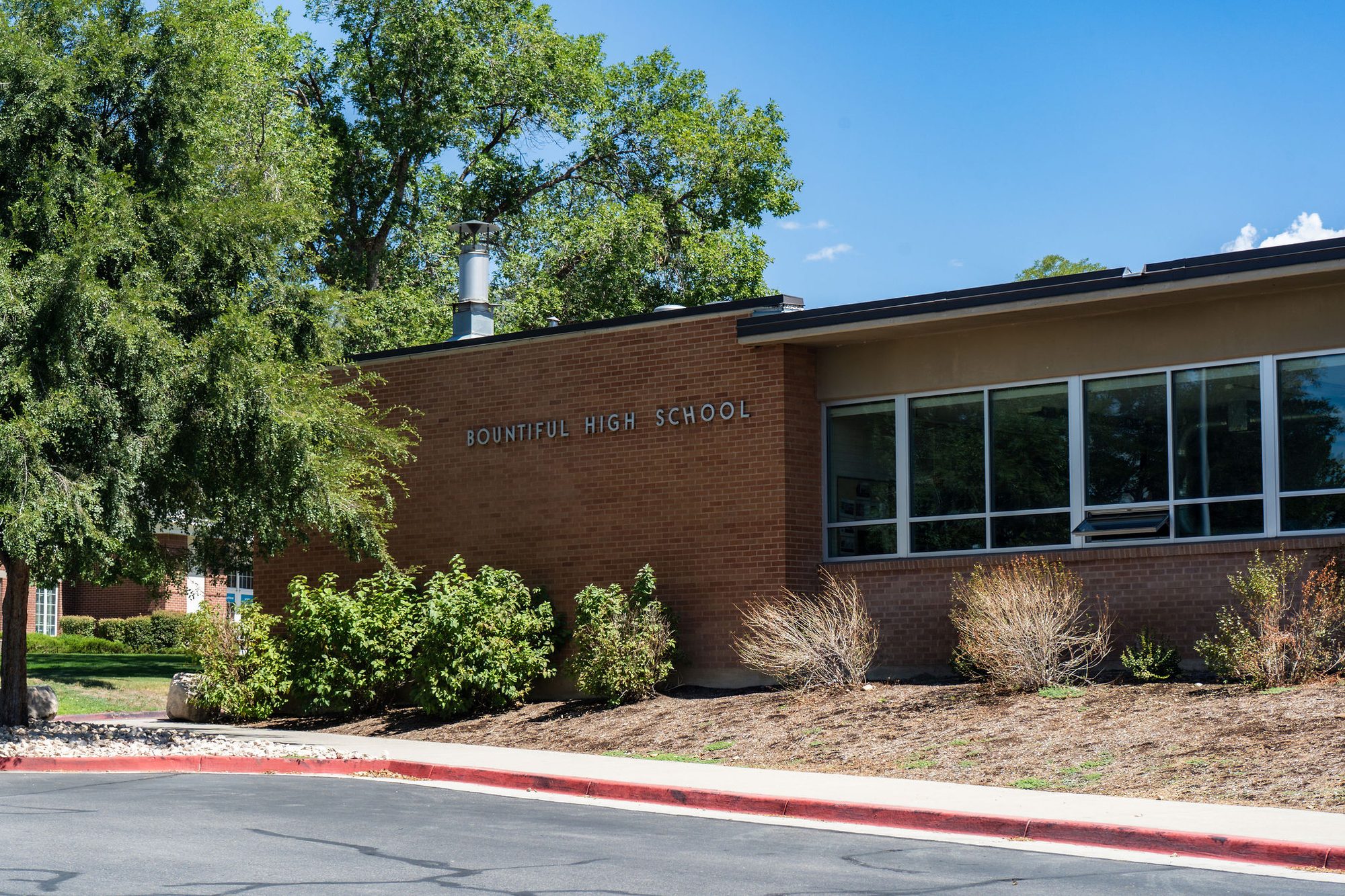
That means families in Bountiful, Woods Cross, North Salt Lake and Farmington could eventually see scholarship-granting organizations offering funds for supplemental services at their children's schools, though no Utah-specific organizations have been named yet.
What's still unclear
The Sutherland Institute, a Utah-based policy organization, flagged a gap in the proposed federal rules. Current regulations require a student to be enrolled in a public, private or religious school as defined by state law to use scholarship funding for tuition and fees.
Utah law classifies homeschools and microschools differently. That distinction could block homeschool and microschool students from receiving federal scholarship funding, the Sutherland Institute wrote.
Utah must submit its list of qualifying scholarship-granting organizations to the IRS by Feb. 15, 2027, according to the EFTC state tracker. Which organizations will appear on that list has not been announced. Donors in any state can contribute to an organization in any participating state, but scholarships go to students who live in the state where the organization is listed.
McMahon's broader message
McMahon told students the administration has "reset" the Department of Education by redirecting funding away from diversity, equity and inclusion initiatives toward reading, writing, math and critical thinking.
"This administration has fundamentally shifted decision-making in this country — lifting authority out of the hands of distant administrators in Washington, DC, and placing it back with those who know best how to meet students' day-to-day learning needs: teachers, local, and state education leaders," McMahon said.
Rep. Burgess Owens, vice chair of the House Education and Workforce Committee, also spoke at the event and voiced support for the tax credit. He said families should watch how the program plays out as charter schools continue to grow and parents gain more options.
The department said the administration has invested nearly $500 million in state-led literacy initiatives. Treasury's temporary regulations took effect Oct. 1, and the proposed rules are open for public comment.